







Search Results for: differentiated operations
HEYTEA's Internal Letter to Partners: Breaking Through with Differentiation, Rejecting Homogenization and Cutthroat Price Wars
On September 18, Heytea sent an internal letter titled "Creating Differentiated Brands and Products for Users" to its business partners, directly addressing the increasingly fierce homogenized competition and low-price involution in the tea beverage industry. The letter proposed "creating differentiated products and brand experiences for users to the utmost" as the direction for breaking through, explicitly stating it would not follow popular categories, not engage in pure low-price competition, and would control the pace of store openings and focus on operational quality. However, netizens had mixed reactions: some supported the differentiation strategy, while others complained about weak product innovation and declining quality. Can Heytea win back consumers with this strategy? This article will sort out the key points of the internal letter and voices from all sides. [more…]
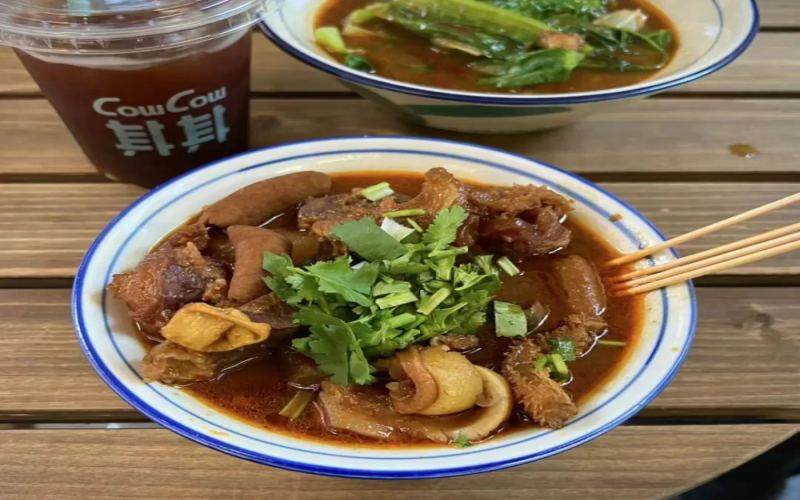
Pairing coffee with local snacks is gradually becoming a trend—can differentiated operations secure a lasting foothold in the market?
In recent years, it's no longer unusual for coffee shops to sell snacks. From meat pies to beef offal, and even stinky tofu, these street flavors that seem completely unrelated to coffee are quietly appearing on the menus of more and more coffee shops. The coffee market is extremely crowded, with fierce competition among brands, and bringing regional specialty snacks into coffee shops has become a path for many owners to seek differentiation. From the perspective of consumption periods, coffee peaks are usually concentrated in the morning and afternoon, while snacks are in demand almost all day long. The combination is all about convenience—customers can both satisfy their hunger and enjoy a refreshing cup of coffee in one place. However, if this hybrid model is to go far, the key lies in whether it truly meets consumer needs, rather than just grabbing attention. Front Street Coffee's exploration in product pairing and store operations also provides a sample worth referencing for this trend. [more…]
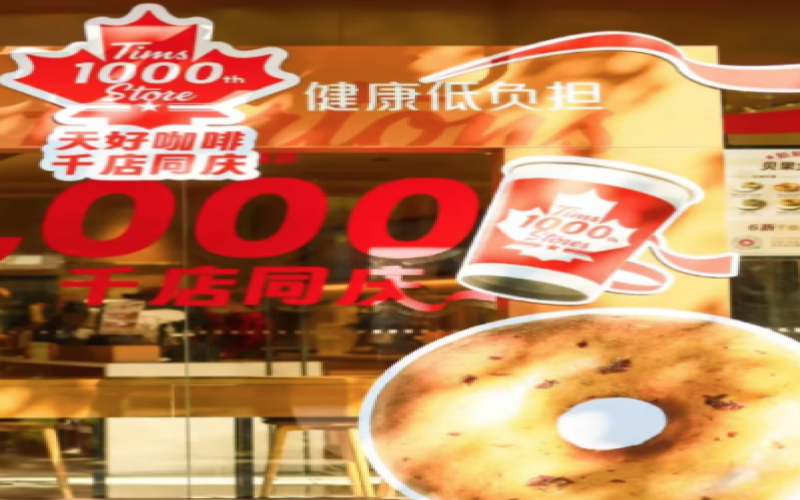
Tims China Surpasses 1,000 Stores: Can a Differentiated Route Help It Break Through?
Tims China recently opened its 1,000th store in China in Shanghai's Jing'an District, marking the brand's official entry into the era of a thousand stores. Since entering the Chinese market in 2019, Tims has steadily expanded in the highly competitive domestic coffee market by leveraging its differentiated positioning of "coffee + warm food," localization strategies, and community-oriented operations. As of June 2024, it has entered 71 cities, with 907 stores and 21.4 million members. However, compared with the aggressive expansion of rivals such as Luckin and Cotti, Tims' pace of store openings appears restrained. Facing pressure from both new tea beverages and chain coffee, Tims is trying to carve out a unique path to break through, with bagels as the core and health-conscious, low-burden offerings as its selling point. [more…]
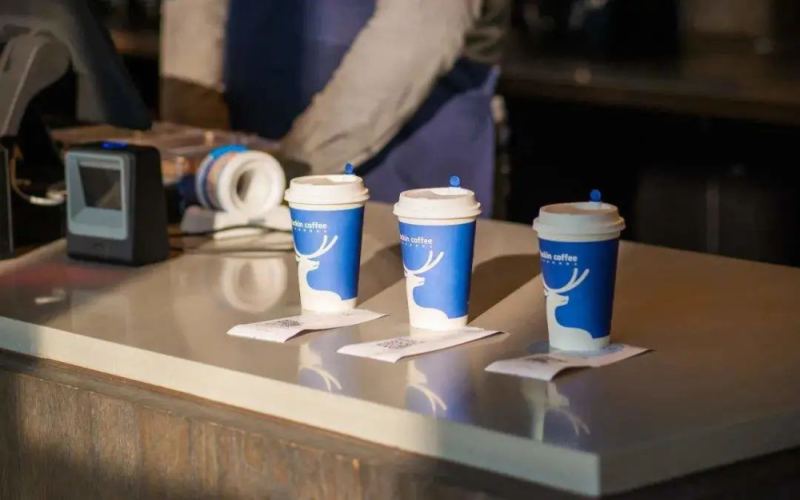
How Independent Coffee Shops Can Survive Between Luckin and Starbucks: The Breakthrough Path of Differentiated Operations and Warm Service
The number of coffee shops has surged dramatically, and it is no longer unusual to find a dozen or even twenty cafés clustered on the same street. Independent cafés now account for more than 70% of all coffee shops nationwide. Yet in areas crowded with chain brands such as Luckin, Starbucks, and Manner, the survival space for independent shops has been greatly squeezed. Drawing on industry data and failed case studies, this article explores strategies for independent cafés to break through in terms of interior design style, business philosophy, and customer return rate. It emphasizes building core competitiveness through warm service, personalized experiences, and distinctive products, rather than blindly following marketing trends. [more…]
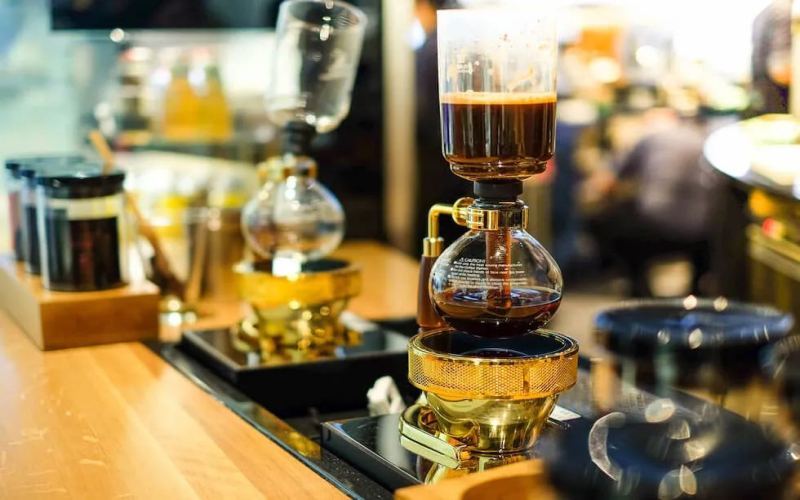
The Complete Guide to Siphon Coffee: From Construction and Principles to Brewing Parameters, Cloth Filter Maintenance, and Bean Selection
The siphon coffee maker, also known as the syphon, originated in Germany. It relies on heating the lower chamber to create pressure that pushes hot water up to the upper chamber to complete extraction. It is very popular in Japan and has gradually become popular in China. Its shape resembles chemical apparatus, often appearing in nostalgic films and TV shows, and it carries a mysterious aura. From the professional perspective of Front Street, this article systematically sorts out the upper chamber, lower chamber, and stand structure of the siphon, analyzes the pressure-difference extraction principle, introduces three heat sources—alcohol lamp, gas burner, and halogen lamp—as well as the trade-offs between flannel filter cloth and round filter paper. Then, taking Front Street Brazil Queen Estate beans roasted in-house as an example, it provides parameters such as a water temperature of 88°C, 18 grams of coffee powder, and a 1:10 coffee-to-water ratio, along with a six-step operating process, and explains filter cloth cleaning and storage as well as suitable coffee bean types. [more…]
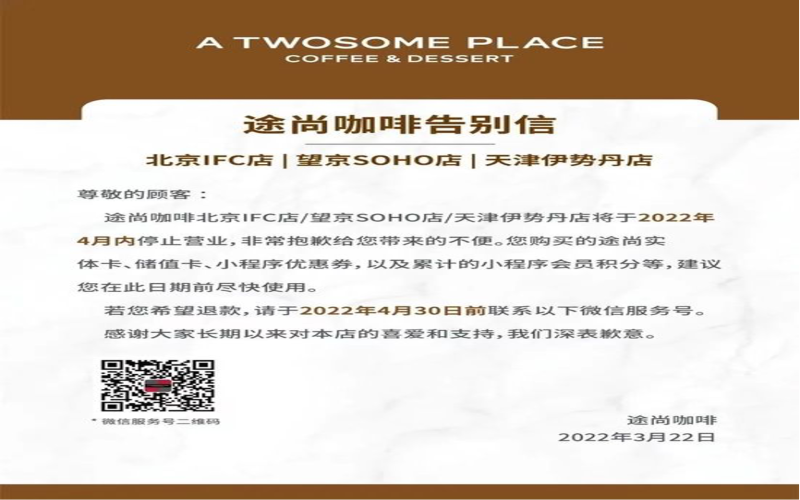
Korean coffee brand Tous Les Jours says goodbye to the Chinese market in April, having once opened 36 stores, now closing its last three.
Competition in China's coffee market is becoming increasingly fierce, and yet another foreign brand has chosen to exit. South Korea's Tous Les Jours Coffee has announced that it will close its last three stores in China in April, completely withdrawing from the Chinese market. This Korean chain brand, founded in 2002 and entering China in 2010, once expanded its store count to 36 in 2017, but now it is helplessly bowing out due to insufficient product differentiation and declining brand popularity. Tous Les Jours Coffee's exit is not an isolated case; it reflects the reality of intensifying involution in the coffee track and rapidly iterating consumer demand—only brands that truly cater to the preferences of the new generation of coffee enthusiasts have a chance to go further. [more…]

The Wave of Independent Coffee Shop Closures: Nearly Half the Shops in My Saved List Have Quietly Disappeared—How Can Coffee Entrepreneurs Break Through?
In 2023, China's coffee market size reached 180.6 billion yuan, with chain brands accelerating their expansion—MANNER surpassing 10,000 stores and Luckin and Cotti going overseas—making it seem like a landscape of prosperity. However, in the saved folders on social media platforms, many coffee enthusiasts have discovered that nearly half of the independent coffee shops they once bookmarked now show "closed for business," including many high-quality small shops with thousands of positive reviews. From Beijing, Shanghai, Guangzhou, and Shenzhen to other cities, this phenomenon is spreading. The price wars of chain brands have squeezed the survival space of independent shops, while poor business strategies and a lack of differentiation have also made it difficult for many stores to stay afloat. What kind of preparation and reflection does running a coffee shop actually require? This article takes you deep into the real dilemmas facing independent coffee shops and the ways to break through. [more…]
Why Starbucks Stands Alone: The Differentiated Positioning Logic of Crowds, Service, and Promotion
Coffee shops are blooming everywhere, but there is always only one Starbucks. Its success is not accidental, but stems from a set of positioning logic completely different from traditional cafes. This article dissects, from three dimensions—crowd targeting, service strategy, and promotion methods—how Starbucks precisely locks onto the white-collar group, how it uses space and equipment design to accelerate customer flow, and how it places its marketing focus on brand image rather than the product itself. At the same time, it analyzes the real implementation of the "third place" concept in the Chinese market, and how this concept has trapped many local coffee shop owners in operational difficulties. For coffee enthusiasts and industry practitioners, understanding Starbucks' atypical path helps to rethink the survival logic of coffee brands. [more…]
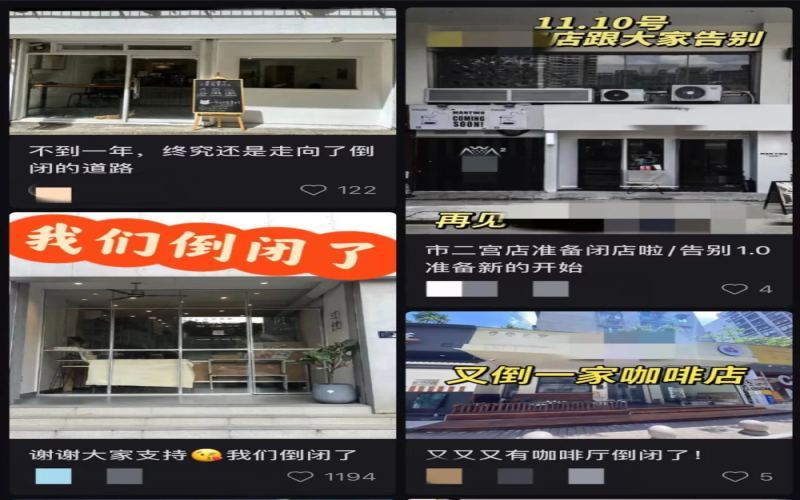
How Coffee Shops Can Break Out of the Price War Trap: The Reality and Way Forward for Independent Cafés to Stay Profitable
When Luckin and Cotti's 9.9-yuan price war swept the market, a large number of coffee shops went bankrupt amid fierce competition. A Shanghai coffee shop owner recently shared his real situation: although delivery order volume grew, profits still could not cover costs, and he remained short of the break-even line. Can the low-price strategy be sustained? How can independent stores find room to survive in the cracks between chain brands? Starting from one shop owner's personal experience, combined with netizens' suggestions and industry realities, this article explores the key path to break-even operation for coffee shops—from pre-opening cost planning and store positioning to differentiated products and customer loyalty building—providing coffee practitioners with a practical business reference. [more…]
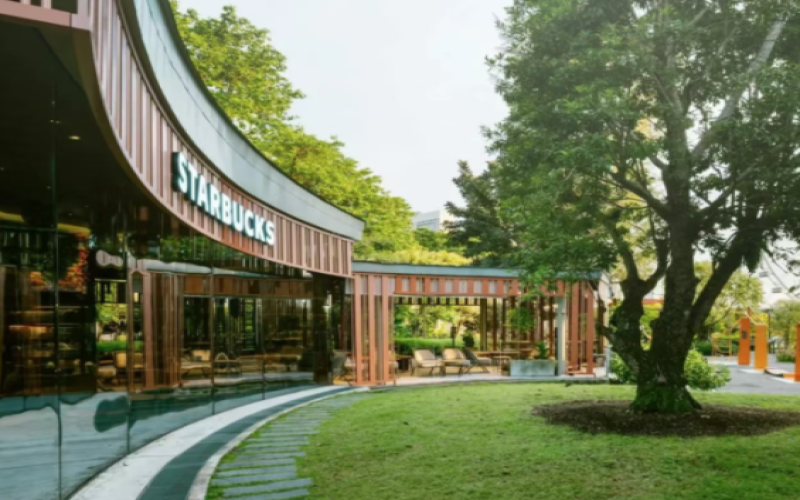
Starbucks opens its first community store in Singapore, located at Gardens by the Bay, focusing on mental health and neighborhood connections
Starbucks recently opened its first community store in Singapore at Gardens by the Bay, partnering with Gardens by the Bay and MINDSET Care to promote mental health awareness and community engagement. The store will use a portion of its beverage revenue to fund workshops and events for mental health organizations, and will host monthly "Wellness Interest Friday" activities, inviting seniors and caregivers to participate. Starbucks employees will also join year-round volunteer service, accompanying elderly residents of nursing homes on outings. The community store continues Starbucks' differentiated exploration since 2014, returning to the original spirit of a community café with warm design, family-friendly facilities, and relaxed ordering methods. Front Street Coffee will also continue to follow the global implementation and evolution of this store model. [more…]
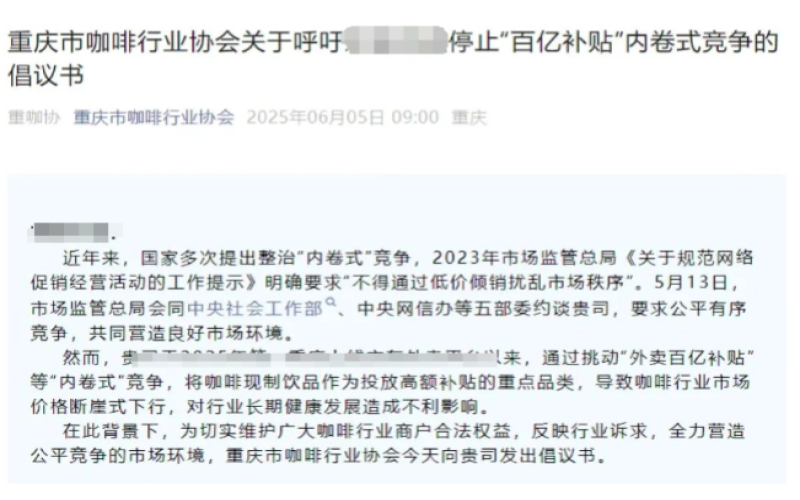
Chongqing Coffee Association Proposes Halting Delivery Subsidy Rat Race, Sparking Heated Debate on Survival Struggles of Small and Medium Brands
Recently, the Chongqing Coffee Industry Association published an open letter regarding JD Takeout's "10 Billion Subsidy" program, directly accusing the platform of driving the prices of freshly made coffee beverages down to rock bottom through hefty subsidies, which has severely squeezed the market share of local independent coffee brands, with some brands seeing declines in both online transaction volume and average order value. The open letter sparked heated discussion among netizens: on one side, food and beverage industry practitioners empathize with the involution caused by subsidies; on the other, consumers strongly support low-priced coffee. Is this subsidy war promoting industry reshuffling or stifling innovation? Can the differentiation strategy of independent coffee shops hold its ground in the price war? This article takes you through the whole story and the views of all parties. [more…]
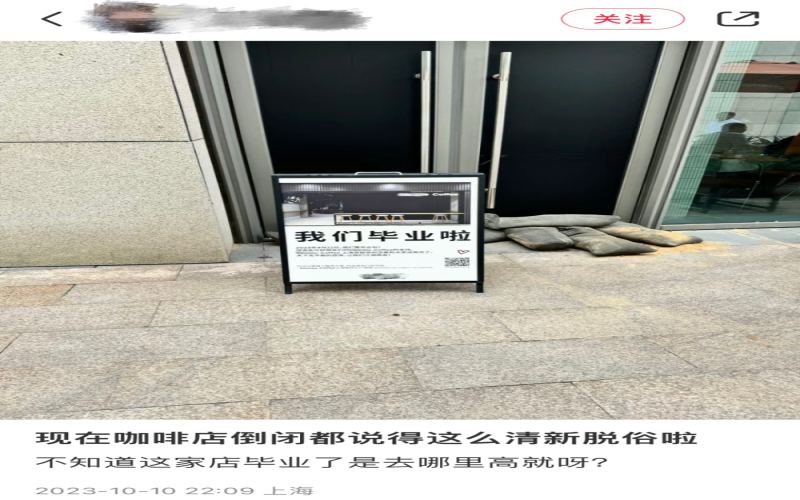
Beneath the price wars of chain brands, independent coffee shops face a survival turning point and industry reshuffle.
When major chain coffee brands launched an all-out price war, independent coffee shops were pushed to the brink of survival. Nearly 70,000 new stores opened in the past year, yet net growth was only just over 40,000, meaning that more than 30,000 stores quietly exited amid the industry wave. From closing notices saying "We've graduated" to store owners each seeking their own way out—transferring their shops to cut losses, offering discounts, building differentiation, or even leaving the coffee industry altogether—the survival plight of independent coffee shops can no longer be avoided. An imbalance between supply and demand, consumers' growing preference for standardized chain brands, and cutthroat price competition—these factors together form the real picture of today's coffee market. This article examines the many faces of independent coffee shops under siege by chain brands and explores the logic behind the industry reshuffle and the way forward. [more…]
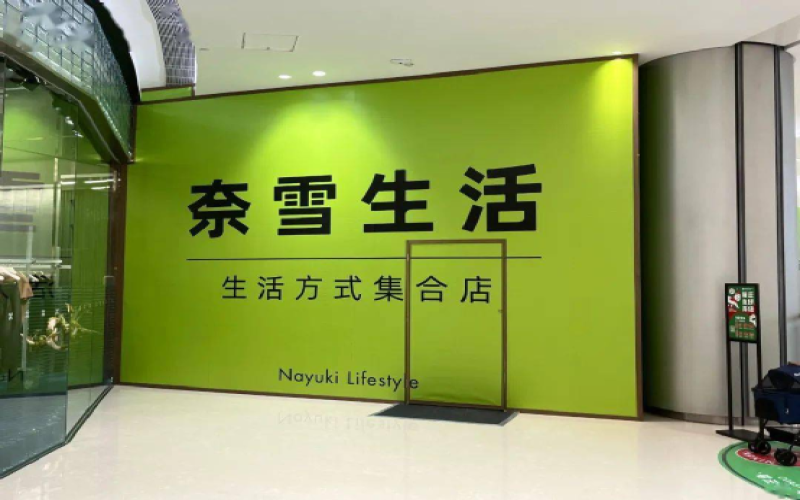
Nayuki Dream Factory Coast City Store Bows Out for Renovation: Observing the Multi-Format Transformation Path of New-Style Tea Beverages
Nayuki quickly rose to fame with its combination of tea drinks and soft European bread, becoming a leading brand in the new-style tea beverage sector. However, its largest store nationwide, Nayuki Dream Factory in Shenzhen Coastal City, recently quietly closed, and the site will be upgraded to "Nayuki Life," a lifestyle concept store. This thousand-square-meter flagship store, which once generated nearly a million in revenue within three days of opening, carried Nayuki's ambition to experiment from tea drinks to coffee, craft beer, Western cuisine, retail, and other multi-format ventures. From Nayuki Tavern to Nayuki PRO, and further to Nayuki Bookstore and ready-to-drink product line layout, Nayuki has continuously tried to break the boundaries of tea drinks. This renovation of its largest store reflects the collective anxiety of brands seeking differentiated breakthroughs amid intensifying homogenized competition in the new-style tea beverage industry. This article reviews the rise and fall of Nayuki Dream Factory and explores whether multi-format development can truly be the way for tea beverage brands to break through. [more…]

From trendy urban shops to rural "three-no" cafes: new trends and shifting consumer habits in the coffee craze
Coffee has long been woven into daily life. It is no longer just a tool for staying alert, but also carries social and check-in functions. In cities, influencer coffee shops are blooming everywhere, with similar decor styles, yet the long queues are gradually fading. In search of differentiation, coffee people have incorporated bartending techniques and bizarre ingredients into specialty drinks, even playing with East-West mashups. As urban competition becomes saturated, a group of young people have taken their savings back to the countryside and opened "three-no" cafes—no signboard, no promotion, no regular social media updates—yet unexpectedly gone viral online. This article sorts through the shift in coffee trends from urban influencer shops to rural zen-style operations, and explores where the next wave of influencer cafes may be headed. [more…]

A Practical Guide to Coffee Shop Delivery Operations: A Complete Approach from Pricing Strategy to Private Domain Retention
While delivery platforms bring orders to coffee shops, they also carry the hidden risk of brand devaluation. Many shop owners have found that blindly joining price wars not only makes profitability difficult but can also erode the store's brand value. This article systematically sorts out the key aspects of coffee shop delivery operations, from pre-opening pricing planning, accumulating Dianping ratings, and delivery menu strategies, to how to convert platform traffic into private-domain customers. It also emphasizes that independent coffee shops should differentiate themselves from chain brands through professional quality and service details, rather than getting caught in low-price involution. The article also shares practical techniques such as stamp cards and scratch cards to guide delivery customers to offline visits, helping coffee shops effectively attract traffic through delivery while maintaining their brand tone. [more…]
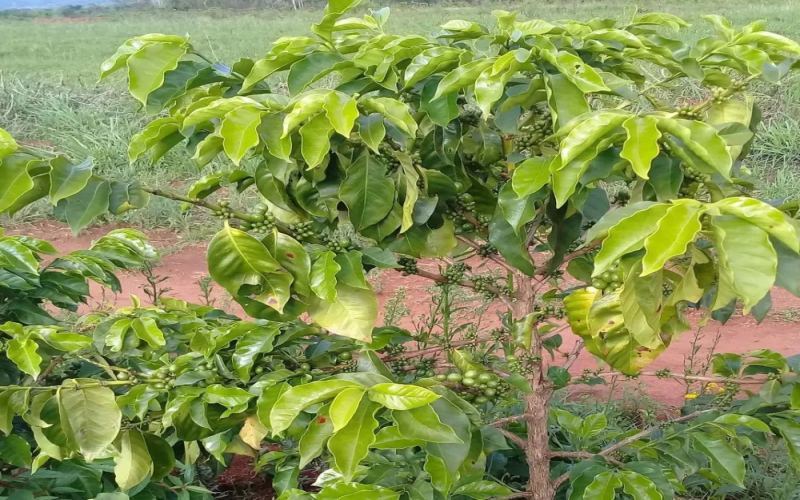
Colombian coffee prices decline amid intensifying competition, importers cut back purchases
In 2023, Colombian coffee prices experienced significant fluctuations, dropping from $2.37 per pound in February to $1.84 in October. The alternating effects of La Niña and El Niño on production, compounded by the pandemic and the Russia-Ukraine war disrupting supply chains, along with the devaluation of the peso driving up farm input costs, created a complex scenario. Meanwhile, importers faced pressures such as expensive credit and rising inflation, with some traders reducing their purchases of Colombian coffee beans by 50% to 60%, turning instead to lower-priced alternatives from Peru, Guatemala, and other origins. However, in the second half of 2023, the peso rebounded, fertilizer prices fell, and weather conditions improved. Production for the 2023/24 season is expected to grow by about 3%, and production in January 2024 increased by 10.5% year-on-year, signaling a potential recovery in market confidence. [more…]

Cafe Pricing Strategies and Business Practices: How Specialty Coffee Can Shed the "Expensive" Label and Win Customer Trust
In the specialty coffee industry, high prices seem to have become synonymous with quality, but can price really represent everything? Starting from real-world cases, this article explores how coffee shops can price reasonably and how they can use professional service to help customers perceive the value of specialty coffee. The article analyzes the current pricing chaos in specialty coffee, points out the differentiated advantages of independent coffee shops versus chain brands, and emphasizes that the service experience is the key to winning customer trust. Whether you are a coffee professional or an enthusiast, you can gain practical insights into coffee shop management and product pricing. [more…]
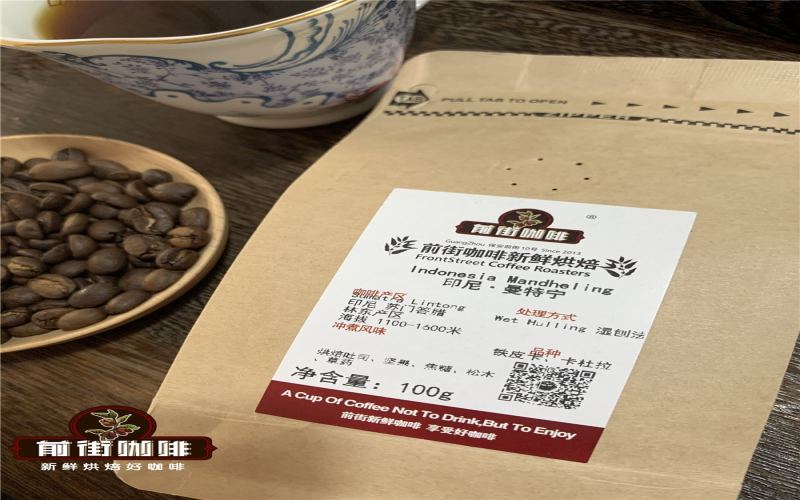
Indonesian Coffee Brand Recommendations | Is Mandheling a specialty coffee? How does the wet-hulling process affect Mandheling's flavor? How can you identify authentic PWN Golden Mandheling?
In Sumatra, there is a very complex local system for distinguishing the Mandheling coffees produced there. The most common approach is to differentiate various Mandheling coffees by naming them according to different regions, green bean traders, and processing methods. Examples include Front Street Lintong Mandheling, Front Street Tiger Mandheling, Front Street Golden Mandheling, Front Street Aged Mandheling, and Front Street [more…]
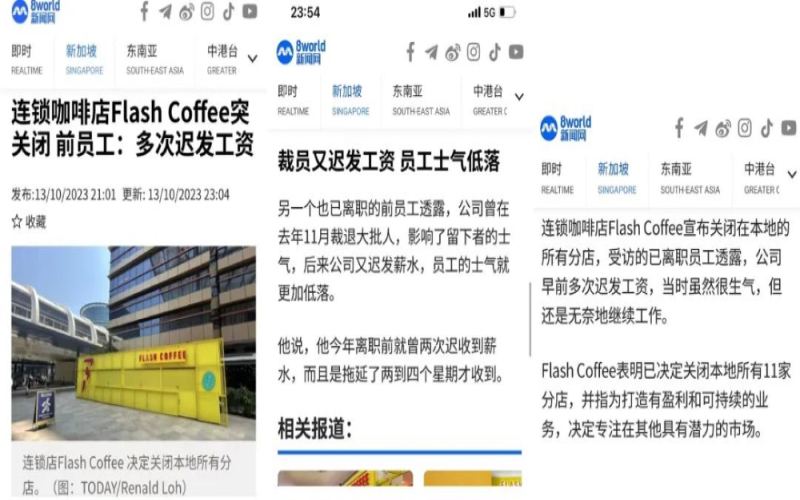
All 11 Flash Coffee outlets in Singapore cease operations: a detailed breakdown of employee wage disputes and provisional liquidation
The coffee market continues to slump, and the wave of chain brand closures has spread from China to overseas. Flash Coffee, once dubbed by some media as Luckin's "knockoff," recently abruptly closed all 11 of its stores in Singapore and has become embroiled in disputes over unpaid employee wages and provisional liquidation. The brand had just completed a $50 million funding round, with investors including White Star Capital and Delivery Hero, claiming the funds would be used to improve profitability and accelerate Asia-Pacific expansion. However, less than six months later, news emerged of a creditors' voluntary liquidation, and labor unions also stepped in to address unpaid wages, CPF contributions, and the cashing out of unused leave. Flash Coffee promised to retain the Hong Kong market, but its Luckin-copying, cash-burning approach became unsustainable when funding faltered. This article outlines the sequence of events and key details. [more…]

Luckin Coffee Quietly Raises Delivery Prices, Sparking Questions; Little Deer Tea Returns to the Store System in a New Form
After a long period of silence, Luckin Tea has recently returned to the public eye with a brand-new posture, but this time it did not appear as an independent brand. Instead, it has been reintegrated as a product line within Luckin Coffee stores. At the same time, without prior announcement, Luckin quietly raised the delivery drink prices at some stores by about 2 to 3 yuan, triggering widespread discussion among consumers on social platforms. The company responded that this move is a refined management measure based on differences in store operating costs, involving more than 800 stores in 11 cities. From an independent brand to a returning product series, from price adjustments to changes in operating strategy, what market considerations are revealed behind this series of moves by Luckin Coffee? [more…]